
Kalamansig, Sultan Kudarat: History, Coastal Attractions and Municipal Guide
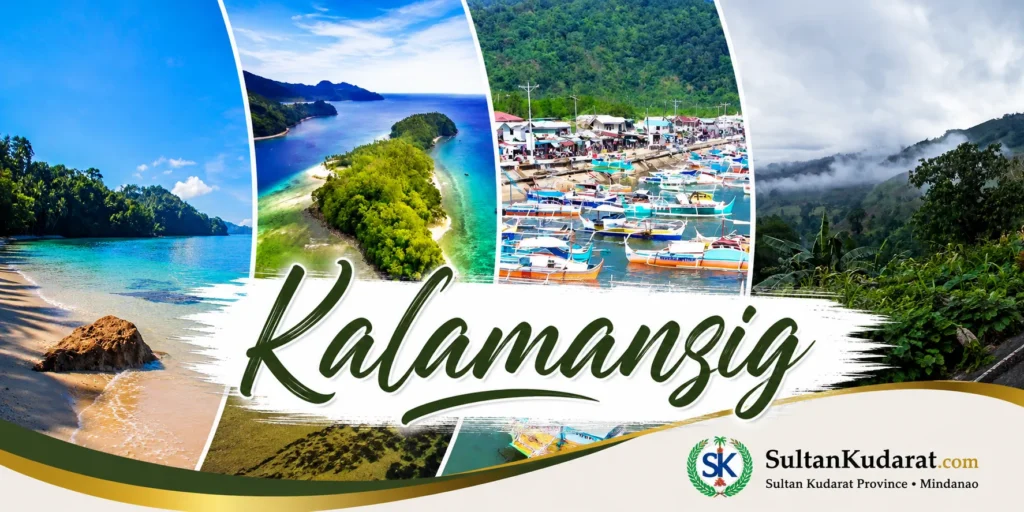
Kalamansig is a first-class coastal municipality in the Province of Sultan Kudarat, within the SOCCSKSARGEN Region (Region XII) of the Philippines. Located along the province’s western coast, the municipality has coastal communities, islands, beaches, rivers, agricultural areas, mangroves, and a mountainous interior.
Fishing, agriculture, local trade, government services, transportation, and small enterprises contribute to the local economy. Kalamansig is also associated with coastal attractions such as Balot Island, Tayandak Beach, and Tubo-Tubo Island, as well as the annual Salagaan Festival.
Quick Facts About Kalamansig
| Information | Details |
|---|---|
| Official name | Municipality of Kalamansig |
| Province | Sultan Kudarat |
| Region | SOCCSKSARGEN (Region XII) |
| Municipality type | Coastal municipality |
| Income classification | 1st-class municipality |
| Date created | December 29, 1961 |
| Legal basis | Executive Order No. 459, series of 1961 |
| Original mother municipalities | Lebak and Palimbang |
| Part of Sultan Kudarat since | November 22, 1973 |
| Population | 52,257 residents (2024 Census) |
| Barangays | 15 |
| Land area | Approximately 699.20 square kilometers |
| ZIP code | 9808 |
| PSGC | 1206505000 |
| Marine waterbody | Celebes Sea |
| Time zone | Philippine Standard Time (UTC+8) |
| Commonly spoken languages | Hiligaynon, Maguindanaon, Dulangan Manobo, Cebuano, Filipino, and English |
Why Visit Kalamansig?
Kalamansig combines coastal scenery, islands, beaches, fishing communities, agricultural landscapes, and inland mountain areas. It may appeal to travelers interested in responsible coastal tourism, countryside travel, photography, local food, and community celebrations.
Visitors choose Kalamansig for its:
- Balot Island
- Tayandak Beach
- Tubo-Tubo Island
- Coastal and fishing communities
- Beaches and island scenery
- Local seafood and agricultural products
- Salagaan Festival
- Mangrove and marine environments
- Responsible boating and coastal recreation
History of Kalamansig
The territory associated with present-day Kalamansig has long been home to Maguindanaon, Dulangan Manobo, and coastal communities whose livelihoods and traditions were connected with fishing, agriculture, rivers, forests, and maritime movement.
Kalamansig also has an earlier administrative connection with Lebak. Under Executive Order No. 195, dated December 31, 1948, the municipal districts of Lebak and Salaman were organized into an independent municipality named Lebak, with its seat of government at the sitio of Kalamansig. The seat was later transferred to Salaman.
The present Municipality of Kalamansig was formally created on December 29, 1961, through Executive Order No. 459, signed by President Carlos P. Garcia. The order combined specified barrios and sitios taken from the municipalities of Lebak and Palimbang and designated Barrio Kalamansig as the seat of government.
Under the executive order, Kalamansig would begin to exist after the appointment and qualification of its mayor, vice mayor, and a majority of its councilors, together with the required certification of financial capability.
On November 22, 1973, Kalamansig became part of the newly created Province of Sultan Kudarat through Presidential Decree No. 341.
In 1989, several barangays formerly associated with Kalamansig were included in the newly created Municipality of Senator Ninoy Aquino under Republic Act No. 6712.
Sources: Executive Order No. 459, Executive Order No. 195, Presidential Decree No. 341, and Republic Act No. 6712.
Geography and Location
Kalamansig is a coastal municipality in western Sultan Kudarat. Its territory includes beaches, islands, coastal plains, rivers, mangroves, agricultural areas, forests, and mountainous inland communities.
The municipality lies generally between Lebak toward the north and Palimbang toward the south, with inland areas of Sultan Kudarat toward the east and the Celebes Sea toward the west.
The Poblacion and several coastal barangays serve as centers for government, local trade, fishing, transportation, education, and community services.
Travel conditions vary significantly between the town center, inland barangays, and island or coastal destinations. Some places require local boats, suitable vehicles, or coordination with community guides.
Population and Barangays
Kalamansig had a population of 52,257 as of July 1, 2024, according to the Philippine Statistics Authority. The municipality is politically divided into 15 barangays.
The barangays are Bantogon, Cadiz, Datu Ito Andong, Datu Wasay, Dumangas Nuevo, Hinalaan, Limulan, Nalilidan, Obial, Pag-asa, Paril, Poblacion, Sabanal, Sangay, and Santa Maria.
Poblacion was the municipality’s most populous barangay in the 2024 Census, with 6,207 residents, followed by Bantogon.
Climate
Kalamansig has a generally warm tropical coastal climate. Rainfall, waves, tides, wind, and sea conditions vary by season and weather system.
Visitors should check current weather forecasts, marine advisories, tide conditions, and boat-cancellation policies before traveling to beaches, islands, or remote coastal communities. Heavy rain may also affect inland roads and river crossings.
Economy
Fishing and agriculture play central roles in Kalamansig’s economy, supported by local trade, transportation, construction, government services, education, tourism-related activity, and small enterprises.
Major economic sectors include:
- Fisheries
- Aquaculture
- Agriculture
- Eco-tourism
- Retail trade
- Transportation
- Government services
- Hospitality
- Construction
- Small enterprises
As tourism continues to grow, local businesses such as resorts, restaurants, transport providers, and tour operators are creating new employment opportunities.
Fisheries and Agriculture
Fishing and related activities support livelihoods in Kalamansig’s coastal communities. Fish and other marine products are sold in local markets and may also be traded in other communities.
Major marine products include:
- Tuna
- Mackerel
- Squid
- Shrimp
- Crabs
- Shellfish
Agriculture also remains an important contributor to the local economy.
Major agricultural products include:
- Coconut
- Rice
- Corn
- Banana
- Cassava
- Vegetables
- Rubber
- Fruits
Fishing, farming, agricultural trade, and local processing form important parts of Kalamansig’s rural economy. Production levels and leading commodities vary and should be confirmed through current municipal, Bureau of Fisheries and Aquatic Resources, or Philippine Statistics Authority records.
Education
Kalamansig has public and private institutions providing elementary, secondary, technical-vocational, and tertiary education.
Sultan Kudarat State University operates its Kalamansig Campus in the municipality. The campus includes academic areas connected with teacher education, fisheries, criminal justice education, and computer studies.
Current degree offerings include programs such as Bachelor of Science in Fisheries, Bachelor of Science in Information Technology, Bachelor of Science in Criminology, Bachelor of Elementary Education, and Bachelor of Secondary Education majors, subject to current university offerings and admission policies.
Other facilities include public elementary schools, national high schools, private educational institutions, technical-vocational providers, and community learning programs.
Healthcare
Primary healthcare services are available through local government facilities, barangay health stations, pharmacies, and private providers.
Healthcare services include:
- Rural Health Unit
- Barangay Health Stations
- Medical clinics
- Dental clinics
- Maternal healthcare
- Child healthcare
- Pharmacies
- Emergency medical services
Patients requiring services unavailable locally may be referred to larger healthcare facilities elsewhere in Sultan Kudarat or neighboring provinces. Travel time can be significant because of Kalamansig’s coastal location and road conditions.
Business and Commerce
Kalamansig’s commercial activity serves residents, fishing communities, farmers, traders, government workers, transport operators, and visitors.
Business establishments include:
- Public market
- Seafood markets
- Grocery stores
- Hardware shops
- Pharmacies
- Restaurants
- Beach resorts
- Hotels and lodging houses
- Convenience stores
- Cooperatives
Current business conditions, establishment numbers, accommodation capacity, and infrastructure availability should be verified through municipal and DTI records..
Tourist Attractions
Kalamansig offers islands, beaches, coastal scenery, fishing communities, rivers, and inland landscapes. Access conditions vary, and some destinations require locally arranged boat transportation.
Balot Island
Balot Island, also spelled Balet Island in some travel materials, is one of Kalamansig’s best-known coastal destinations. It lies near the mouth of the Donaong River in Barangay Paril and is associated with beaches, coastal scenery, and marine environments.
Visitors should confirm the correct local spelling, boat arrangements, entrance requirements, tide conditions, weather, and available facilities before traveling. Life jackets should be worn throughout boat journeys.
Tayandak Beach
Tayandak Beach is one of the coastal attractions identified in Sultan Kudarat tourism promotion. It offers beach scenery and opportunities for relaxation and photography.
Swimming conditions, currents, tides, facilities, fees, and public access should be verified locally. Visitors should not assume that lifeguards are present.
Tubo-Tubo Island
Tubo-Tubo Island is another coastal destination associated with Kalamansig. Access generally requires local boat arrangements and favorable sea conditions.
Visitors should coordinate with the Municipal Tourism Office, licensed or community-recognized boat operators, and the host barangay before traveling.
Beaches and Coastal Communities
Kalamansig’s coastline includes beaches, river mouths, fishing areas, mangroves, and coastal villages. These areas provide opportunities to learn about local livelihoods and coastal environments.
Fishing grounds, docks, mangroves, and community shorelines should be treated as working or protected areas rather than unrestricted tourism sites.
Mangrove and Marine Environments
Mangroves provide habitat for marine life and help protect shorelines. Any mangrove visit should follow local conservation rules and use established paths or authorized boats.
Visitors should avoid collecting shells, corals, plants, wildlife, or other natural materials.
Visitor Safety
Sea travel depends on weather, tides, vessel condition, and operator experience. Visitors should use serviceable boats, wear life jackets, avoid overloading, follow Coast Guard and local-government advisories, and postpone trips during unfavorable conditions.
Kalamansig is also exposed to earthquakes and coastal hazards, including possible tsunami impacts. Visitors should identify evacuation routes and move promptly to higher ground after strong or prolonged shaking or when instructed by authorities.
Festivals and Cultural Celebrations
Kalamansig’s celebrations reflect its municipal history, coastal livelihoods, agriculture, Indigenous heritage, and multicultural communities.
Salagaan Festival
Festival dates, venues, and programs may change each year. Visitors should consult current announcements from the Municipal Government of Kalamansig before making travel arrangements.
Salagaan Festival is Kalamansig’s municipal festival and is integrated with the municipality’s founding-anniversary celebration in December.
Activities may include cultural presentations, civic programs, agricultural and fisheries displays, sports, entertainment, competitions, livelihood exhibits, and community gatherings.
Local explanations associate “Salagaan” with abundance or a plentiful harvest, particularly in relation to Dulangan Manobo heritage. This meaning should be attributed to local cultural accounts unless confirmed by Indigenous language authorities or community elders.
Cultural Communities
Visitors should respect ancestral-domain rights, religious practices, cultural protocols, private property, fishing grounds, and community rules. Permission should be obtained before photographing residents, documenting ceremonies, or entering Indigenous community areas.
Kalamansig is home to Maguindanaon, Dulangan Manobo, Hiligaynon, Cebuano, and other communities. Their languages, beliefs, fishing and farming traditions, food, arts, and community institutions contribute to the municipality’s identity.
Transportation
Kalamansig is reached primarily through provincial and local roads, while some island and coastal destinations require boat transportation.
Transportation options include:
- Vans for hire
- Jeepneys
- Tricycles
- Buses or connecting public-transport services, where available
- Private vehicles
- Motorized boats for selected coastal destinations
Road conditions, public-transport schedules, fares, and travel times may change. Boat services depend on weather, tides, vessel availability, and local operating arrangements. Visitors should verify current information before departure.
Government Services
The Municipal Government of Kalamansig provides a wide range of public services through various local offices.
Government agencies include:
- Municipal Hall
- Municipal Health Office
- Municipal Agriculture Office
- Municipal Fisheries Office
- Civil Registry Office
- Business Permit and Licensing Office
- Municipal Tourism Office
- Philippine National Police
- Bureau of Fire Protection
- Disaster Risk Reduction and Management Office
These offices administer municipal services connected with health, agriculture, fisheries, tourism, permits, civil registration, social welfare, public safety, and disaster preparedness. Current requirements and processing times should be verified through the relevant office or Citizen’s Charter.
Investment Opportunities
Kalamansig may offer opportunities connected with fisheries, agriculture, local processing, coastal services, and carefully managed tourism.
Potential investment sectors include:
- Fisheries-related services
- Seafood handling and processing
- Cold storage, subject to feasibility
- Agricultural and coconut processing
- Local food enterprises
- Transport and logistics
- Community-based tourism
- Environmentally responsible accommodation
- Boat maintenance and marine services
- Retail serving coastal communities
Investors should verify coastal zoning, fisheries regulations, ancestral-domain rights, environmental requirements, disaster risk, infrastructure capacity, land ownership, water and power availability, and permit requirements before starting a project.
Frequently Asked Questions
Where is Kalamansig located?
Kalamansig is located on the western coast of Sultan Kudarat in the SOCCSKSARGEN Region (Region XII), facing the Celebes Sea.
What is Kalamansig known for?
Kalamansig is known for its coastal communities, fishing industry, beaches, islands, and natural landscapes. Its identified attractions include Balot Island, Tayandak Beach, and Tubo-Tubo Island, while the Salagaan Festival celebrates the municipality’s culture and founding anniversary.
What are the major industries in Kalamansig?
The municipality’s economy is driven by fisheries, aquaculture, agriculture, tourism, retail trade, and government services.
What languages are spoken in Kalamansig?
Residents commonly speak Cebuano, Hiligaynon, Maguindanaon, Filipino, and English.
Is Kalamansig good for tourism?
Yes. Kalamansig is one of Sultan Kudarat’s top destinations for beach vacations, waterfalls, island hopping, snorkeling, diving, and eco-tourism.
Is Kalamansig good for investment?
Yes. Opportunities exist in tourism, beach resorts, hospitality, seafood processing, aquaculture, renewable energy, and marine-based businesses.
When was Kalamansig created?
Kalamansig was created on December 29, 1961, through Executive Order No. 459. Its original territory included barrios and sitios separated from Lebak and Palimbang.
What is Kalamansig’s population?
Kalamansig had 52,257 residents as of July 1, 2024, according to the Philippine Statistics Authority.
How many barangays does Kalamansig have?
Kalamansig is politically divided into 15 barangays.
What is Kalamansig known for?
Kalamansig is known for its coastal communities, fishing economy, Balot Island, Tayandak Beach, Tubo-Tubo Island, and Salagaan Festival.
What is Kalamansig’s municipal festival?
Kalamansig celebrates the Salagaan Festival in connection with its founding anniversary in December.
Is Kalamansig suitable for island hopping?
Island visits may be possible through locally arranged boat transportation. Trips depend on weather, tides, Coast Guard and local advisories, vessel availability, and current access rules.
Can visitors dive or snorkel in Kalamansig?
Availability depends on the specific site and presence of qualified operators, equipment, safety procedures, and local permission. Visitors should not attempt diving without a properly certified operator.
Is Kalamansig good for investment?
Kalamansig may offer opportunities in fisheries, agriculture, processing, transport, and responsible tourism. Investors should conduct feasibility, environmental, land, infrastructure, and disaster-risk assessments.
Discover Kalamansig
Kalamansig brings together coastal communities, islands, beaches, fishing livelihoods, agricultural areas, cultural traditions, and inland landscapes. Balot Island, Tayandak Beach, Tubo-Tubo Island, and Salagaan Festival provide different ways to experience the municipality.
Visitors should confirm current access arrangements, use responsible boat operators, wear life jackets, follow marine and weather advisories, respect community and environmental rules, and prepare for the risks associated with coastal travel.